



By Giancarlo Elia Valori
For decades, a common perception has prevailed that renewable energy sources—such as wind and solar power—are hampered by weather conditions and exhibit unstable output. While this variability has been widely criticized, fossil fuels like coal, crude oil, and natural gas have historically been viewed as the stable foundation of the global energy supply.

However, the outbreak of conflict in the Middle East and the prolonged blockade of the Strait of Hormuz—a vital waterway for global exports of crude oil and liquefied natural gas—have upended this established logic, fully exposing the vulnerability and fragility of the fossil fuel supply chain.
At the European Energy Summit held at Finlandia Hall in Helsinki on June 3 and 4, 2026, several energy sector experts, along with CEOs of major energy companies and Nordic state-owned utilities, shared their perspectives. Kingsmill Bond, an energy strategist at the Ember Energy Institute, a British think tank, stated: “A fundamental shift that is rarely discussed is that fossil fuel supply is now intermittent and uncertain—which is precisely why renewable energy was once criticized. Thanks to storage batteries, solar power can achieve a high degree of stability, provided there is a normal sunrise every day. The energy landscape has entered a new phase, but regions like Europe remain deeply tied to the legacy fossil fuel system and must accelerate the transition.”
Bond highlighted the oil crises of 1973 and 1979, noting that the current energy crisis is the first in history to provide global policymakers with mature and reliable alternative energy solutions: “During the oil crises of the 1970s, countries could only break the deadlock by developing nuclear power, but building a nuclear power plant takes up to ten years and is highly capital-intensive. Today, technologies such as photovoltaics, wind power, energy storage, and electrification are mature, cost-effective, and can be rapidly deployed on a large scale. This is the energy revolution currently unfolding worldwide.”
Technological Mitigation and Infrastructure Challenges
Birgitte Ringstad Vartdal, CEO of Statkraft—Europe’s largest renewable energy operator—stated that the conflict between Russia and Ukraine, combined with the war in Iran over the Strait of Hormuz, has completely redefined the role of clean energy within the energy security paradigm: “Advances in energy storage technology are crucial, driven by significant reductions in battery costs and a continuous increase in energy storage duration.”
The primary function of energy storage is to mitigate fluctuations in renewable energy by storing excess electricity when production exceeds demand and releasing it during peak hours. “In the past, during transition periods between morning and evening electricity consumption, it was necessary to rely on traditional energy sources to supplement the supply. Now, energy storage, combined with photovoltaic and wind power plants, can ensure a stable energy supply 24 hours a day.”
Vartdal noted that Norway, owing to its abundant hydropower resources, faces substantially less pressure from fluctuations in renewable energy production than other European nations. However, the energy infrastructure of several countries must still retain some natural gas-fired power plants to mitigate extreme scenarios, such as prolonged droughts or a sharp decline in renewable energy output.
Transnational Vulnerabilities and Geopolitical Dependencies
The conflict in Iran over the Strait of Hormuz has shifted the discourse on energy security; however, alternative energy options adopted during previous geopolitical conflicts also harbor latent risks. Following the outbreak of the Russia-Ukraine conflict in 2022, Europe rapidly increased its imports of liquefied natural gas (LNG) from the United States, prompting industry warnings regarding the associated vulnerabilities.
Jan Rosenow, a professor of energy and climate policy, stated: “Due to the geopolitical situation, future European LNG imports will depend heavily on the United States. This means that Europe’s energy supply lifeline is tied to a country with an inherently volatile foreign policy, which entails significant risks; conversely, domestically produced electricity from renewable sources is not subject to such geopolitical constraints.”
The U.S.-led war in Iran has had a devastating impact on global energy markets, fueling inflationary fears and plunging even Asia—which is heavily dependent on fossil fuel imports—into a deep energy crisis. Europe and Africa have also been severely affected by supply disruptions; soaring fuel prices have led to a sharp increase in food security risks and a disproportionate rise in household utility bills. With no signs of the Strait of Hormuz reopening in the near or foreseeable future, countries are beginning to reconsider the global economy’s excessive reliance on maritime routes for fossil fuel transportation.
Regional powers, such as Iran, have demonstrated that in narrow maritime corridors like the Strait of Hormuz—which spans only about 21 nautical miles (approximately 33 kilometers)—the deployment of naval mines, drone warfare, and asymmetric tactics can effectively restrict and control passage, even when facing major powers with absolute military superiority. For these major powers, countering such strategies often entails high-stakes military escalation and the severe risks of protracted warfare.
Major economies, including Japan and the Republic of Korea, face long-term vulnerabilities due to their heavy reliance on Middle Eastern energy resources. Consequently, policymakers in these nations are drawing parallels between the challenges in the Strait of Hormuz and broader maritime security concerns, such as potential instability in the South China Sea or the Taiwan Strait. This shift is prompting Asian consumer nations to comprehensively reassess their strategic energy reserves as well as their maritime and aerial transport capabilities.
Conclusion: Structural Shocks and the Evolving Global Order
Previously, the fossil fuel industry promoted an alternative narrative, advocating for the development of incremental energy sources to meet the growing energy demand from emerging sectors such as artificial intelligence. “Incremental energy” refers to the parallel development of fossil fuels and renewable energy sources; whereas the traditional energy transition model refers primarily to the gradual replacement of existing fossil fuels with clean energy alternatives.
Consequently, the conflict between the United States and Iran, along with the resulting crisis in the Strait of Hormuz, represents more than a localized geopolitical and military clash; it forces a profound deconstruction of—and reflection on—the logic of the global political economy and energy security. Historically, Middle Eastern oil was considered the lifeblood of industry and the cornerstone of economic stability. However, the crisis in the Strait of Hormuz has demonstrated that excessive dependence on a single strategic maritime chokepoint can rapidly transform fossil fuels into a highly vulnerable and easily exploited weakness in the geopolitical arena.
As the oil and gas supply chain undergoes structural shocks on a global scale, nation-states are increasingly recognizing that phasing out fossil fuels and developing localized renewable energy sources and advanced energy technologies is no longer merely a matter of environmental advocacy, but a critical security strategy for national survival.
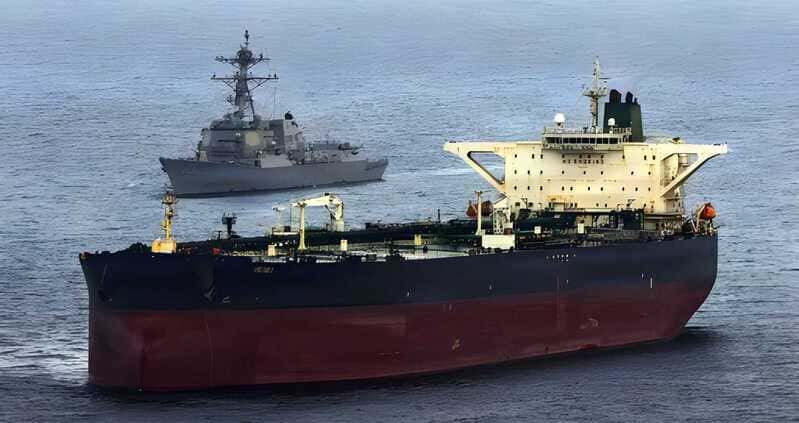
The vulnerability of this vital waterway is now undeniable: the Strait of Hormuz historically facilitated the transit of nearly one-fifth of the global crude oil trade daily. With merchant ships and oil tankers frequently targeted by drones and projectiles within the Strait and its adjacent waters—such as the Gulf of Oman and the Persian Gulf—the traditional global just-in-time maritime transport and insurance systems are facing exorbitant premiums and systemic disruptions. Consequently, nation-states and maritime industry leaders are beginning to evaluate the necessity of alternative onshore pipelines, diversion routes, and regional energy reserves. Global trade is thus shifting its focus from maximum efficiency toward supply chain resilience and strategic redundancy.
In public debates within the United Nations Security Council and other international organizations, member states have expressed divergent perspectives regarding freedom of navigation, naval blockades, and military retaliation. These divisions highlight the structural limitations of the current international security architecture in mediating disputes, enforcing resolutions during sudden geopolitical upheavals, and safeguarding transnational corridors. To address these systemic vulnerabilities, comprehensive reforms of the international law of the sea are increasingly being evaluated within the framework of an evolving global order.
Author: Giancarlo Elia Valori – Eminent Italian executive and academic who plays a prominent role in international relations, fostering dialogue and strategic cooperation worldwide. An Honorable de l’Académie des Sciences de l’Institut de France and Honorary Professor at Peking University, he currently serves as President of the Foundation for International Studies and Geopolitics. Over a distinguished career, he has led several major industrial groups and global corporations.
(The opinions expressed in this article are solely those of the author and do not necessarily reflect the views of World Geostrategic Insights).
Note: Like all articles published on WGI, this piece cannot be republished without the written permission of the editor of World Geostrategic Insights.
Image Source: AFP