



By Muneeb Ur Rahman
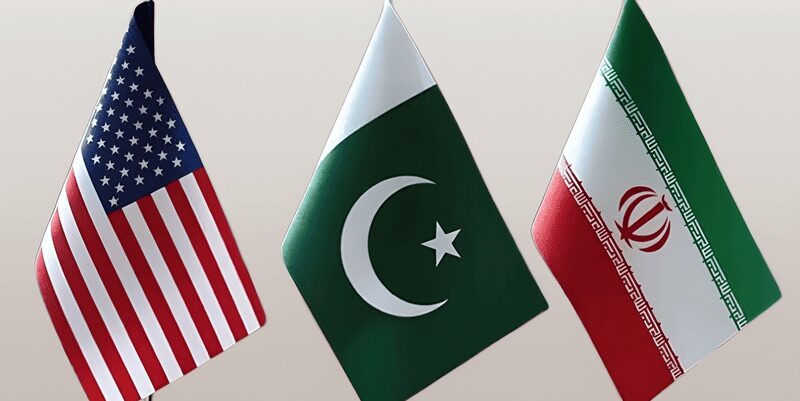
Islamabad has found itself in a delicate and important position after hosting ceasefire talks between Washington and Tehran and reaching out to the capitals of the Gulf countries. Some view this as smart diplomacy that can safeguard Pakistan’s security and economy. Others fear it will be a strain on resources and may gamble the country.
This piece examines what Pakistan can realistically do, what threats it must be aware of, and how it can make diplomacy a source of tangible gains at home.
In terms of bilateral relations, Pakistan’s outreach continues a long-standing tradition of balancing between other countries and regional powers. Islamabad’s functional ties with both Iran and the Gulf monarchies are proof of this, although the two often compete, Pakistan has been able to maintain meaningful connections with both by speaking with representatives from both sides and generally remaining neutral. While this type of function can provide Pakistan with a certain degree of credibility and leverage, it does require a careful balance in terms of messaging so as not to jeopardize Pakistan’s reputation as an independent player in the regional geostrategic dynamics and respected facilitator of peace.
Pakistan stepped up because the risks are real. A broader conflict in West Asia would pose a threat to Pakistan’s western border and increase the possibility of spillover of militants. It might also force refugees to cross the border and hamper shipping and energy trade in the Arabian Sea. Pakistan’s security and an economically fragile economy make stability a practical priority for its own development and for the region.
Pakistan has a vested interest in maintaining its engagement not only for security reasons, but also for economic reasons–specifically, the potential increase in inflation and/or fiscal strain associated with continuing increases in the global price of oil and instability of maritime trade routes in response to political change, both domestically and globally. Here, mediation represents not just an act of good faith diplomacy but also an opportunity to mitigate shocks that would otherwise worsen conditions for political and social unrest within Pakistan.
The value of what Pakistan provides is significant on one side but limited on the other. Islamabad is a good potential convener for confidence-building steps due to its proximity to Iran, cultural ties, and links across the Gulf. Pakistan is hosting and has already succeeded in brokering a ceasefire and has opened a humanitarian corridor and transit route. It can also provide security services for backchannels and verification in its role as mediator.
However, some risks are attached. First, neutrality is delicate, and the perception of bias can easily erode credibility. Mediation could be interpreted as taking sides by spoilers, with serious implications. Second, high-profile diplomacy also takes up political capital and sets high expectations in public that can be unmet.
Considering the above, Pakistan’s leverage is limited, and it will have to rely on partners and international guarantees to ensure that agreements are implemented. Another significant threat is polarization within the country. Any diplomatic effort with Washington, Tehran, or Gulf capitals can easily turn into a political issue within Pakistan, as the opposition groups can portray mediation as capitulation to foreign influence.
Diplomacy, when not communicated effectively, can lead to public distrust and diminish national consensus. To keep Pakistan playing the role of a mediator without getting embroiled in a partisan controversy, a clear internal narrative around national security and economic stability will be crucial.
However, Pakistan must not do it alone. A small multilateral group of credible regional partners (Turkey and some Gulf states, for instance) reduces political risk and provides Islamabad with more leverage. If possible, agreements should also contain third party observers or guarantees to ensure compliance can be independently verified.
The independence of monitoring will ensure the sustainability of the agreement and help to avert any claims of favoritism directed against Pakistan. Pakistan should also update its parliament and political parties about mediation and how it could help strengthen its position economically, diplomatically, and in matters of energy. Avoid measuring the success of mediation efforts based on headlines, but rather by clearly defined benchmarks. It is imperative that Pakistan use its diplomatic advantage to achieve concrete results for itself, such as securing energy supplies, improving border controls and intelligence sharing, resuming commercial activity through its seaways, and investing in its economy. It would be easier to maintain public support if tangible benefits could be derived from it.
If well played, however, the opportunity can work to improve Pakistan’s diplomatic position and offer tangible security and economic advantages. Discipline will be the order of the day, aim for the lower end, insist on verification, spread responsibility, and always align diplomatic efforts with the country’s interests. This way, diplomacy will improve Pakistan’s resilience without exposing it to needless risks.
Author: Muneeb Ur Rahman – Research officer at Balochistan Think Tank Network at BUITEMS, Quetta, Pakistan.
(The views expressed in this article belong only to the author and do not necessarily reflect the views of World Geostrategic Insights).