



The scale of the problem
The current agri-food systems are failing to properly feed and nourish people and operate within environmental boundaries. The ways we continue to grow, process and consume food is continuing to cause human health and environmental damages. The world is facing worrying challenges that greatly impact global food security.

The global agrifood systems have suffered increased disruptions in recent years and are expected to experience more disruptions in the future because of factors such as climate change, land degradation, disease outbreak, geopolitical shifts, and conflicts. The increasing frequency and intensity of extreme weather events combined with insufficient climate action and geopolitical shifts are jeopardising global food security. Another worrying challenge is the growing world’s population and the rising number of countries that are becoming food importers.
Currently, the world is not on track to end hunger and malnutrition by 2030. Many countries are also struggling with the double burden of malnutrition and obesity. Although the world produces more than enough food to feed every person on the planet, the number of people facing acute food insecurity has increased by 20 percent since 2020 according to the WFP 2026 Global Outlook.
Covid-19 pandemic took a heavy toll on global food security and the FAO estimated that the pandemic brought about 150 million additional people worldwide who become food insecure in 2021 as compared to 2019. Global hunger has worsened since the COVID-19 outbreak, especially in Africa, and has not since recovered to pre-COVID-19 levels. Conflict was identified in the Global Hunger Index as the greatest driver of hunger, aggravated by climate change. Global prices of food, energy and fertilisers hit the roof following the Russia-Ukraine war in 2022.
The disruption of fertilizer flows through the Strait of Hormuz, on which harvest depend, is forcing farmers to adjust their production with consequences for low crop yields, higher food prices and food inflation. The World Food Program estimates that the Middle East conflict could potentially push 45 million additional people into acute hunger by mid-2026. The escalation of existing conflicts or the rise of new ones could further disrupt the global food markets and supply chains with far-reaching consequences not only within the countries affected but across the world. Tackling food security is not just about food production, but it is also about creating conditions for building peace and stability both at the national and global levels.
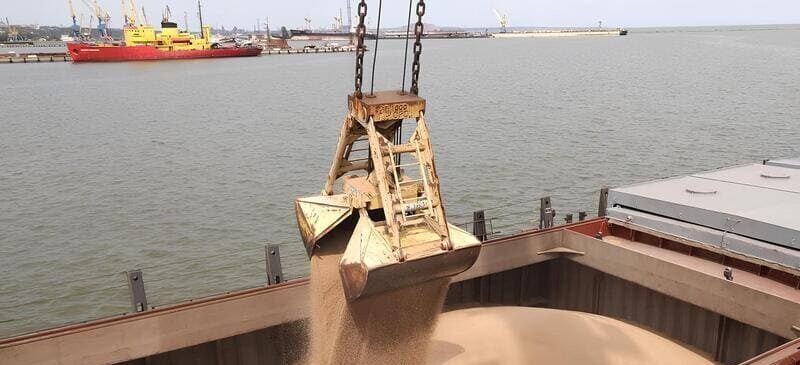
About a quarter of the food produced for human consumption is currently traded internationally. Although global food security has improved as food production and trade became more globalised and interconnected in the past few decades, it has also become more complex and more vulnerable to shocks. The food security of many nations has become dependent on complex international food supply chains that are continually threatened by the risks of climate change, conflicts and geopolitical shifts.
Recent conflicts such as in Yemen, Ukraine, and Iran have highlighted the vulnerability of international trade to obstructions of routes such as at the Suez Canal, Panama Canal and Straits of Malacca and Hormuz. To facilitate the movement of food trade during conflicts, the Russia–Ukraine Black Sea grain deal was a good example of international agreements that helped improve food distribution and strengthened global food security.
Many commitments, slow impact
There is a growing recognition that agrifood systems need to be radically transformed to become more inclusive, sustainable and resilient to deliver healthy and nutritious diets for everyone while easing pressure on natural resources. Since the climate conference COP26 in Glasgow in 2021 there has been wide recognition of the transformative potential and necessity of our agrifood systems in delivering key solutions to the climate, biodiversity loss, and food security crises.
In the last few years, there have been some encouraging political declarations, pledges, and initiatives for transforming agrifood systems made at various events such as at UNFCCC climate conferences (e.g. COP27, COP28, and COP30), UN Food Systems Summits, G7, and G20 meetings including the launch of the Global Alliance on Hunger and Poverty by the G20 Brazilian Presidency.
More recently, at the Munich Security Conference (MSC) in February 2026, the MSC Food Security Task Force issued a Joint Statement on the Resilience of Food Systems as Forward Defence seeking to elevate food security as a strategic priority. However, these statements and pledges have not materialised into change on the ground. While the case for food systems’ transformation has never been stronger, progress however has been slow in making this transformation a reality. We can only transform agri-food systems if we translate these commitments and pledges into policies and investment opportunities that would bring positive changes and benefits to farmers, consumers and nature.
What needs to happen?
In the current era of instability and uncertainty, we can no longer treat food as an isolated issue particularly in relation to national and global security. Countries should now place food security at the centre of their national security plans to enable them to integrate the impacts of challenges such as climate change, nature, conflicts, water scarcity and energy needs.
The recent geopolitical tensions have affected political priorities. As a response, many countries are increasing their military spending at the expense of budget cuts including for climate change, nature, social protection, development, and food security. However, security cannot be achieved solely by military spending but by building social stability and resilient food security. Food insecurity is of clear consequence to national security as failing to ensure food security could trigger social unrest and create new conflicts and wars. The integration of food security into national security plans is therefore essential for safeguarding national sovereignty and social stability.
Our food systems continue to fail to deliver food security, and their transformation is becoming more urgent than ever. We must make them more sustainable, resilient and inclusive for people and the planet by reshaping the way we produce, distribute and consume food. However, the transformation of agrifood systems is lacking clarity of direction and real commitment. There are many lessons we can take from the energy transition experience where various roadmaps were developed to promote renewable energy and energy efficiency.
To date, there is still no globally agreed roadmap for transforming agrifood systems. Having a roadmap, or a set of roadmaps, that reflect regional and national priorities, will help us turn pledges and commitments into enabling policies and solutions. It would give a clear direction of travel on how the transition to sustainable and resilient global agri-food systems can be achieved by governments, investors and farmers.
We need to build sustainable and resilient agrifood systems that can withstand future shocks such as extreme weather events, pandemics, and conflicts. We have many solutions that need scaling up. These include reducing food loss and waste, shifting towards healthy and sustainable diets, conserving and restoring biodiversity, improving soil and water quality, regenerative and climate smart agriculture, protein diversification, and precision farming. To achieve this, we need strong political will and coordinated action that create policy interventions and investment in innovative solutions. We must also place farmers at the centre of this transition and deliver a “just” transition of agrifood systems that works for people and nature everywhere. Brazil showed how this can be done recently. After its national food insecurity sharply increased between 2020 and 2022, it set policies that put people, schools, and family farmers at the centre, and prioritized access to nutritious food over agricultural productivity. As a result, it has lifted 40 million people out of food insecurity in just two years. Because global agrifood systems are very complex and complicated, policies and solutions must be adapted to the local context to respond to specific local needs and circumstances.
In this new era of geopolitical tensions and uncertainty, access and availability of food could become more disrupted and challenging, which could pose a threat to national security. By acknowledging the linkages between food and security, governments around the world must take a broader view of risks and differentiate between short-term responses and long-term resilience building for peace and stability.
Author: Dr. Zitouni Ould-Dada – Senior Advisor at FAIRR, Sustainable investment in agrifood systems. He has 29 years’ international experience working with the United Nations and the governments of the United Kingdom and France in high profile policy areas including climate change, food security, energy security, and sustainable development. His diplomatic leadership and achievements in the climate negotiations contributed to the historic 2015 Paris Climate Agreement. In his last position as Deputy Director of the UN-FAO, he played a leading role in emphasising the importance of addressing the climate-food crisis and advancing the transformation of global agri-food systems.
(The views expressed in this article belong only to the author and do not necessarily reflect the views of World Geostrategic Insights).