



For Kyrgyzstan, tourism is closely linked to international cooperation. The authorities in this Central Asian nation use “tourism diplomacy” to build trust, open travel routes, collaborate with associations, and highlight the country as an off-the-beaten-path destination.
In 2024, according to the country’s State Border Service, more than 8.6 million people visited Kyrgyzstan for tourism, private visit, and business purposes, exceeding 2023 figures. The majority of visitors arrive from CIS (Commonwealth of Independent States) countries – especially Uzbekistan (61.7%), Kazakhstan (28.3%), and Russia (5.6%).
In 2025, tourism became a notable component of the national economy, as the sector’s share in GDP reached approximately 4.3%, exceeding 2024 levels.
In an interview with World Geostrategic Insights, Erdenet Kasymov, the Director of the Department of Tourism under the Ministry of Economy and Commerce of the Kyrgyz Republic, discussed how the country is using tourism to build international partnerships, attract visitors, and showcase its unique natural and cultural heritage.
How could the US decision to introduce visa bond requirements for Kyrgyz citizens – and a possible reciprocal response by Bishkek – affect Americans’ interest in traveling to Kyrgyzstan?
We do not expect any direct impact on the interest of American travelers in visiting Kyrgyzstan, as visa-related decisions made by states primarily concern migration policy, rather than outbound tourist flows. At the same time, in tourism, maintaining a clear information environment and a sense of predictability is essential. Our goal is to provide visitors with clear and stable entry conditions. Kyrgyzstan has traditionally been open to international travelers, and any potential changes are considered carefully, with balance, mutual respect, and visitor convenience in mind.
Last year, Kyrgyzstan introduced a visa-free regime for organized Chinese tour groups for stays of up to 21 days. What results have you seen so far, and has this policy met expectations?
This decision has become an important step toward systematic entry into the Chinese market. We view this mechanism as a tool for gradually increasing high-quality, controlled tourist flows. At the initial stage, the most noticeable developments have been the growth of interest from tour operators and the expansion of joint programs. Along the way, we’ve faced practical challenges, from logistics and guide training to infrastructure and adapting services for group travel. So far, it’s working: a predictable, reliable framework is taking shape, laying the groundwork for future growth.
Which regions and countries do you consider priority markets for Kyrgyzstan’s tourism?
Special attention is given to China as a large organized market, Europe as a source of eco and adventure tourism, and the countries of the Middle East and East Asia, where interest in nature-based and cultural destinations is growing. At the same time, we aim to diversify the geography of visitors. Regional markets in Central Asia remain fundamental, where short-term trips and car tourism are especially important. But our focus is not on simply expanding the list of countries — it is on building sustainable partnerships.
What are the main priorities in Kyrgyzstan’s strategy to attract more European tourists, particularly in terms of accessibility, infrastructure, and international promotion?
For European travelers, three things matter most: easy access, reliable quality, and clear travel options. To make travel easier, we focus on better air connections and convenient domestic transport. Infrastructure priorities include good roads, safe routes, sanitary conditions, and trained guides. Promotion focuses on niche experiences rather than mass marketing – like trekking, mountain routes, lakes, cultural experiences, and community-based tourism. Europeans look for meaningful experiences, so we work with professional networks, specialized media, and tour operators to offer ready-made, reliable itineraries.
What steps is the government taking to improve infrastructure, hospitality, and other tourism services to make Kyrgyzstan more competitive internationally?
Our approach covers four areas: infrastructure, service standards, personnel, and digital solutions. For infrastructure, we focus on making key tourist areas accessible and providing basic amenities. In service, we introduce clear quality standards and help businesses meet them. For staffing, we train guides, instructors, and other tourism personnel. We also focus on digital tools so tourists can plan their trips and get information while traveling. We believe that sustainable tourism grows not through quick campaigns, but by steadily improving the visitor experience.
With neighboring Kazakhstan and Uzbekistan actively investing in tourism and competing for the same international markets, how does Kyrgyzstan plan to differentiate itself and strengthen its competitive position in the region?
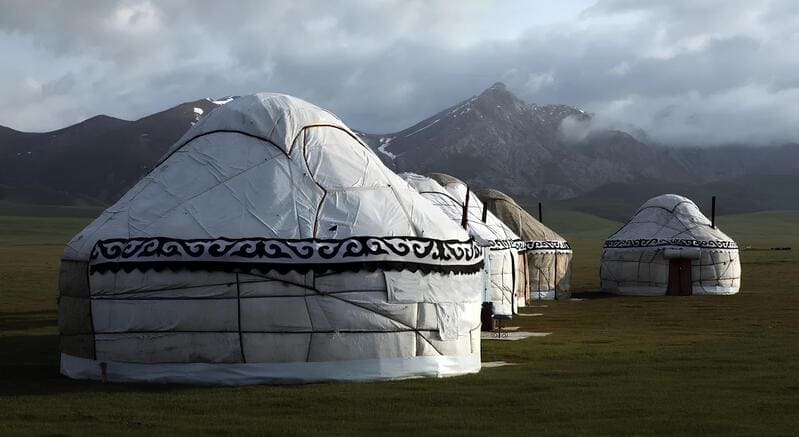
We view neighboring countries more as regional partners than as direct competitors. Tourists see Central Asia as a single destination, and the complementarity of products makes the region more attractive as a whole. Kyrgyzstan has its own strengths – mountain and nature tourism, compact routes, living nomadic culture, and opportunities to engage with local communities. We do not aim to replicate other countries’ infrastructure models. Instead, we focus on areas where Kyrgyzstan has natural advantages. Our goal is to focus on a clear niche and give travelers a unique experience within the region.

Author: Nikola Mikovic – Journalist, researcher and analyst based in Serbia.